How Long Does a Shop Fitout Take?
It’s one of the first questions business owners ask, and the honest answer is: it depends. A small retail fitout in an existing tenancy might take four to six weeks. A full commercial fitout in a shell space can take three to six months or longer. The difference comes down to scope, approvals, trades, and how well the project is planned before a single tool is picked up.
This guide breaks down the real-world stages of a shop fitout timeline so you can plan your opening date, fitout costs, and lease commencement with realistic expectations.
The Main Stages of a Shop Fitout Timeline
Design and Planning
Before any construction starts, you need drawings, a design brief, and a clear scope of work. This stage typically takes two to four weeks for a straightforward fitout and longer if the design is complex or involves multiple revision rounds. It’s natural to want to push ahead and get things moving, but rushing this stage is one of the most common mistakes businesses make, and it almost always leads to costly changes on-site later. Getting the design right before anyone picks up a tool is what keeps the rest of the project on track.
Your fitout drawings will also be needed for any council or building approval applications, so getting this right from the start saves time downstream.
Approvals and Permits
This is often where timelines blow out. Depending on the scope of your fitout, you may need a building approval, a development application, or sign-off from your landlord before a single trade steps on site. In Queensland, shopfitting work that involves structural changes, new plumbing, or alterations to fire systems must be carried out by contractors holding the appropriate licences, as required by the Queensland Building and Construction Commission.
Council approval timeframes vary, but a straightforward building application typically runs two to six weeks. If a development application is required, that window stretches to three months or more in many cases. Factor this in from the moment you sign your lease, not after designs are done.
Procurement and Lead Times
Once designs are approved, materials, joinery, and fixtures need to be ordered. Lead times on custom joinery, lighting, and commercial equipment can run four to eight weeks, and longer for imported items. If you wait until construction starts to order these, you will be sitting on a half-finished site waiting for stock to arrive.
Experienced shop fitters coordinate procurement well before the build phase begins. If you are working with shop fitters who manage the full project, they will typically handle procurement scheduling as part of the project plan. That kind of coordination keeps your build sequenced correctly from the start, avoiding the delays and additional costs that come when materials arrive late and trades are left waiting.
Construction and Installation
The on-site build phase is what most people picture when they think of a fitout. For a small retail space under 100sqm, construction might take three to five weeks. A larger hospitality or medical fitout could take eight to twelve weeks or more. The timeline depends on the number of trades involved, the complexity of the finishes, and how well sequenced the build is.
Trades that commonly cause delays include electricians, plumbers, and HVAC contractors, particularly when they are juggling multiple jobs or are in short supply. A good fitout manager keeps these trades coordinated so one doesn’t hold up the next.
What Can Push Your Timeline Out
Landlord Approval Delays
Most commercial leases require the landlord to approve your fitout plans before work begins. Landlords can take anywhere from a few days to several weeks to respond, especially if their property management team is slow or your drawings need revision. Factor this into your timeline and submit for approval as early as possible.
Scope Changes Mid-Build
Changing your mind once construction is underway is expensive and slow. Moving a wall, adding a point-of-sale station, or upgrading a finish mid-project can delay completion by days or weeks and often creates a ripple effect across multiple trades. Lock in your scope before the build starts.
Unforeseen Site Conditions
Older tenancies can hide problems: asbestos-containing materials, inadequate electrical capacity, non-compliant plumbing, or structural issues. These don’t show up until demolition begins, and they can add time and cost that no one budgeted for. A site inspection before finalising your fitout scope helps reduce these surprises.
Trades Availability
On the Gold Coast and across South East Queensland, trade availability is a genuine constraint, particularly in busy periods. If your chosen shopfitter doesn’t have their own trade network, your project sits in a queue alongside everyone else’s. This is one reason to start conversations early rather than when you’re ready to sign a lease.
Realistic Timeframe Ranges by Fitout Type
Small Retail or Service-Based Business

A straightforward retail fitout in an existing fitted space, with minimal structural changes, can be completed in four to six weeks from the start of construction. Add two to four weeks for design and approvals, and you’re looking at a total project timeline of six to ten weeks from kick-off to opening.
Hospitality Fitout (Cafe, Restaurant, Bar)
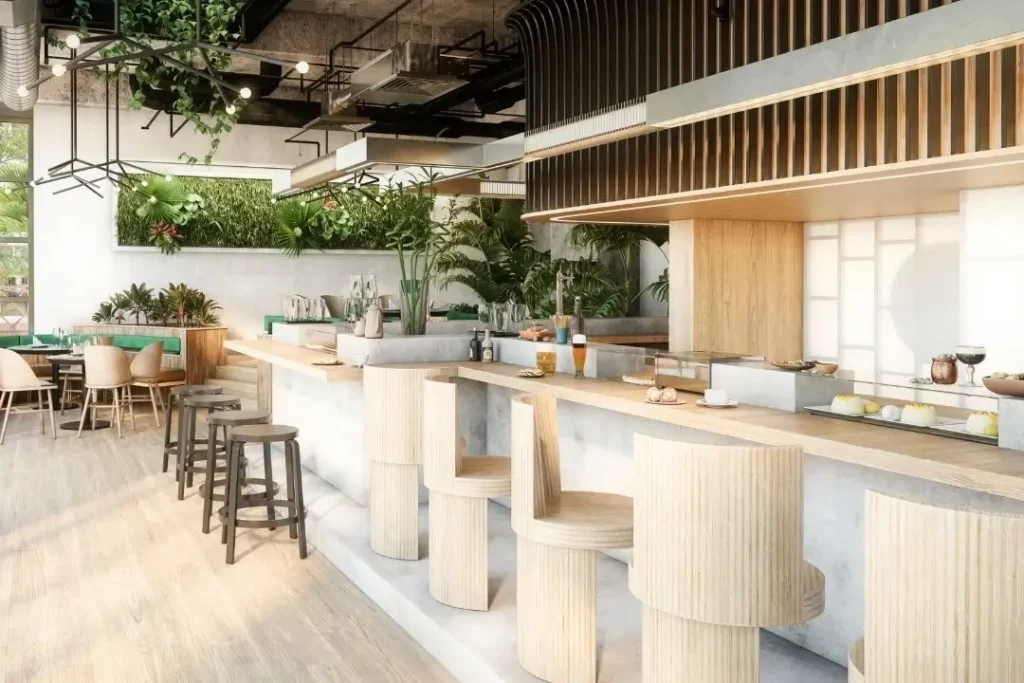
Hospitality fitouts involve more trades, more compliance requirements, and more custom elements. Expect a total timeline of twelve to twenty weeks, sometimes longer for larger venues or those requiring development approval. Health department sign-off and commercial kitchen requirements add additional steps that take time to navigate.
Medical or Allied Health Fitout
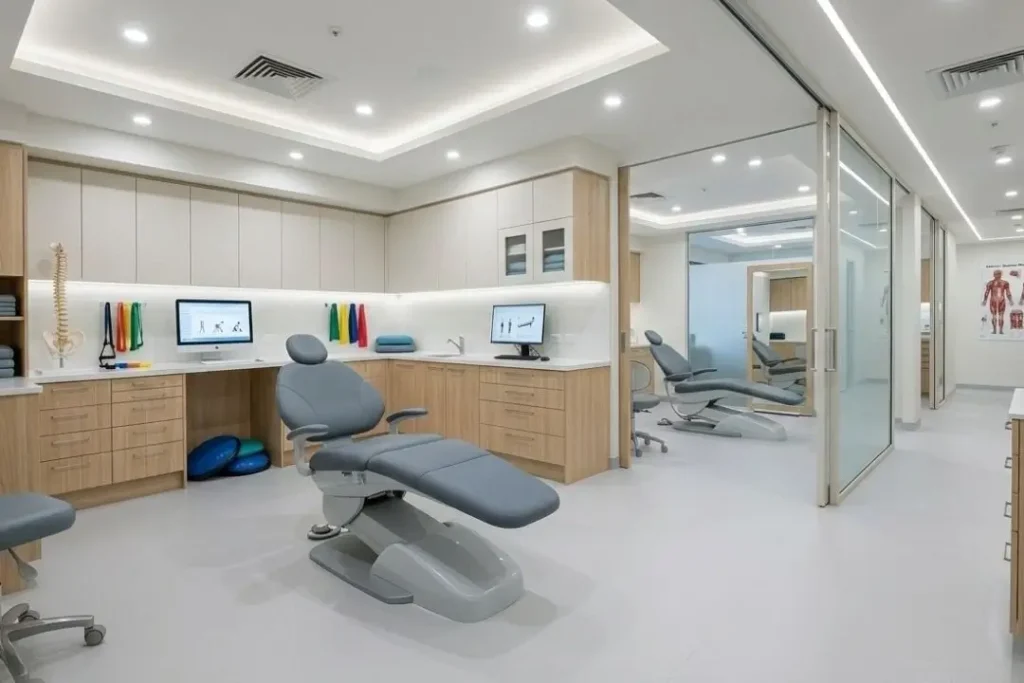
Medical fitouts are often the most complex, with specific requirements around plumbing, air quality, privacy, and compliance with relevant standards. A typical medical fitout runs twelve to twenty-four weeks from design to completion, depending on scope and the number of treatment rooms or specialised areas involved.
Office or Professional Services Fitout
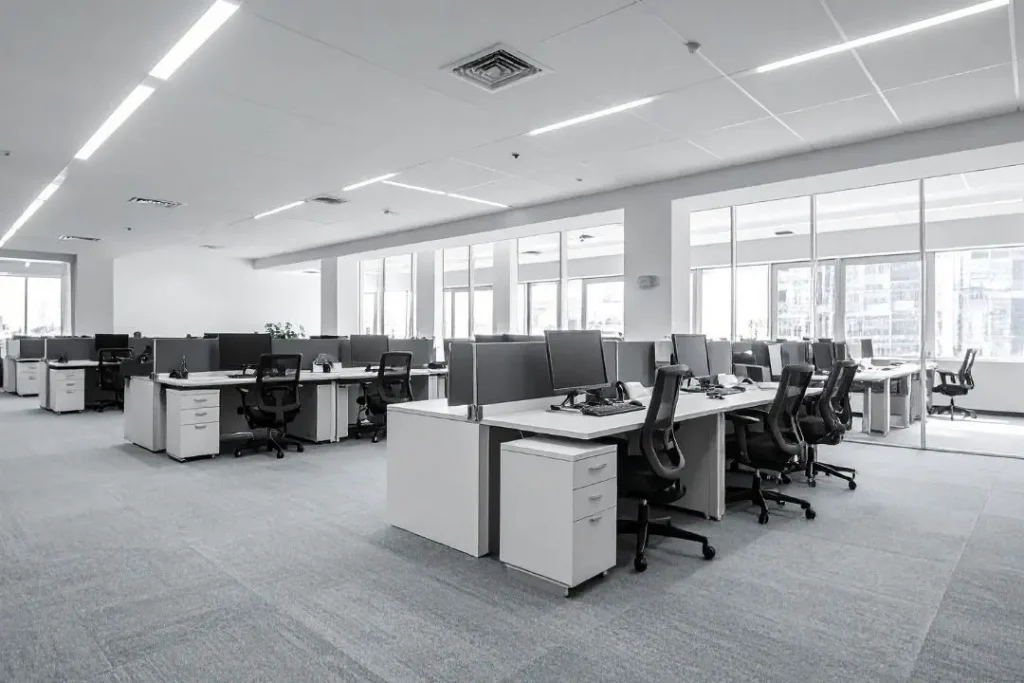
A commercial office fitout for a professional services business typically falls in the eight to sixteen week range. The timeline depends on the level of partitioning, IT infrastructure, and the quality of finishes specified.
How to Avoid Common Timeline Mistakes
Start the fitout process earlier than you think you need to. Many tenants sign a lease with an expectation of being open in four weeks, only to find approvals and lead times push that to twelve weeks or more. Negotiate your rent-free period based on a realistic fitout timeline, not an optimistic one.
Get your design signed off before you apply for approvals, and order long-lead items as soon as designs are locked. Brief your shopfitter during the lease negotiation stage, not after you’ve signed. The earlier they are involved, the more accurately they can schedule trades and identify risks.

Questions to Ask Your Shopfitter Before You Start
Ask specifically about their current workload and how many projects they are managing in parallel with yours. Ask whether they manage trades directly or subcontract, and how they handle delays when a trade doesn’t show up. Ask for a detailed programme showing each stage and its expected duration before work begins.
A shopfitter who can hand you a clear programme with milestones, approval stages, and procurement lead times is one who has done this before and has the processes to back it up.
Summary
A shop fitout timeline isn’t just the construction phase. It includes design, approvals, procurement, and the build itself, and each stage has real lead times that stack up quickly. Small retail fitouts can be completed in six to ten weeks total. Hospitality and medical fitouts often take four to six months. The biggest delays come from approvals, scope changes, and trade availability, all of which are manageable with proper planning and the right team in place.
If you’re planning a fitout on the Gold Coast or across South East Queensland, getting the right advice early will save you time, money, and stress at every stage of the project.

Ready to Plan Your Fitout?
If you’re trying to work out how long your specific fitout will take, the best starting point is a conversation with an experienced shopfitter who can assess your scope, site, and approval requirements. The earlier you start, the more control you have over your timeline and your opening date.
We’re the shopfitter Gold Coast local business trust to get their fitout done with confidence. To discuss your project and get a realistic picture of what’s involved, call us on (07) 5651 0699 or get in touch to get started.