How Much Does a Shop Fitout Cost?
The cost of a shop fitout is one of the first questions any business owner asks when planning a new premises or a refurbishment. The honest answer is that it varies significantly depending on your space, industry, finishes, and what condition the tenancy is in when you take it over.
This guide breaks down the real cost drivers behind a shop fitout so you can plan your budget with confidence, not guesswork.
What Is the Average Cost of a Shop Fitout?
Shop fitout costs in Australia typically range from $800 to $3,000+ per square metre, depending on the type of space and scope of work. A basic retail fitout might come in around $50,000 to $80,000 at the lower end, while a full hospitality or medical fitout can easily exceed $300,000. What you actually pay comes down to a handful of key factors.
Typical Price Ranges by Fitout Type
Retail fitouts for clothing, homewares, and general retail generally fall between $800 and $1,500 per square metre for a mid-range finish. Cafe and restaurant fitouts tend to cost more, often $1,800 to $3,500 per square metre, due to the kitchen equipment, ventilation, and plumbing involved. High-end or fine dining venues can push well beyond that.
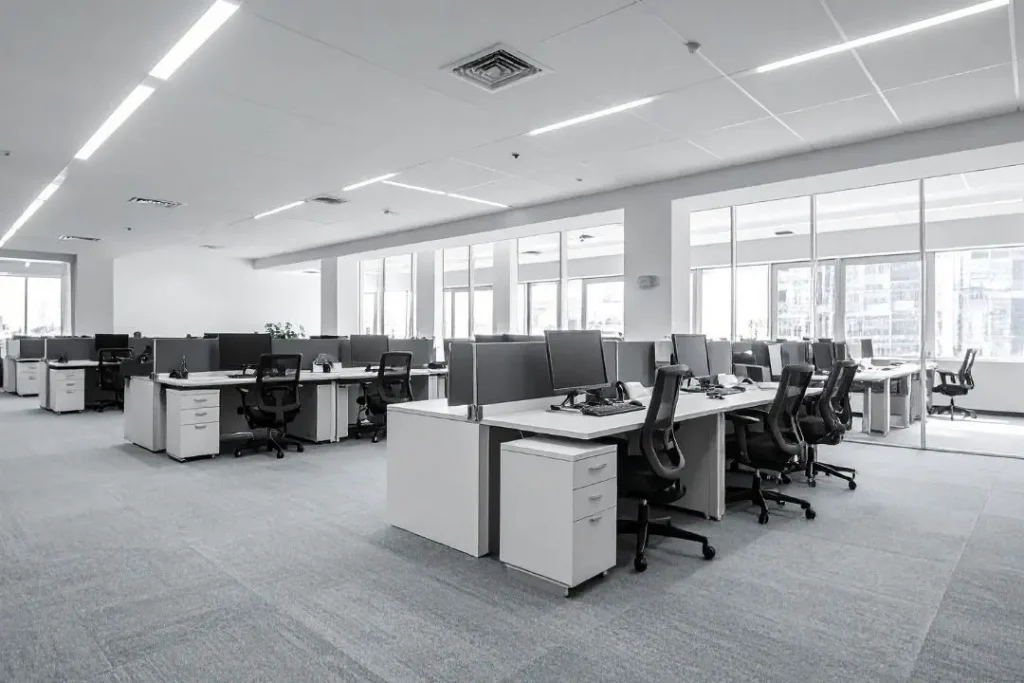
Office fitouts are generally more affordable, sitting around $800 to $1,500 per square metre for a standard open-plan space. Fitouts with partitioned offices, server rooms, or premium finishes will sit at the higher end of that range. Medical and allied health fitouts tend to cost the most, driven by compliance requirements, specialist joinery, and additional plumbing infrastructure.
What Drives Shop Fitout Costs Up?
Understanding the cost drivers helps you identify where your budget is likely to go and where you might be able to trim without compromising quality. If you are working with a shop fitter Gold Coast businesses rely on, they will typically walk you through these factors during your initial consultation.
Tenancy Condition at Handover
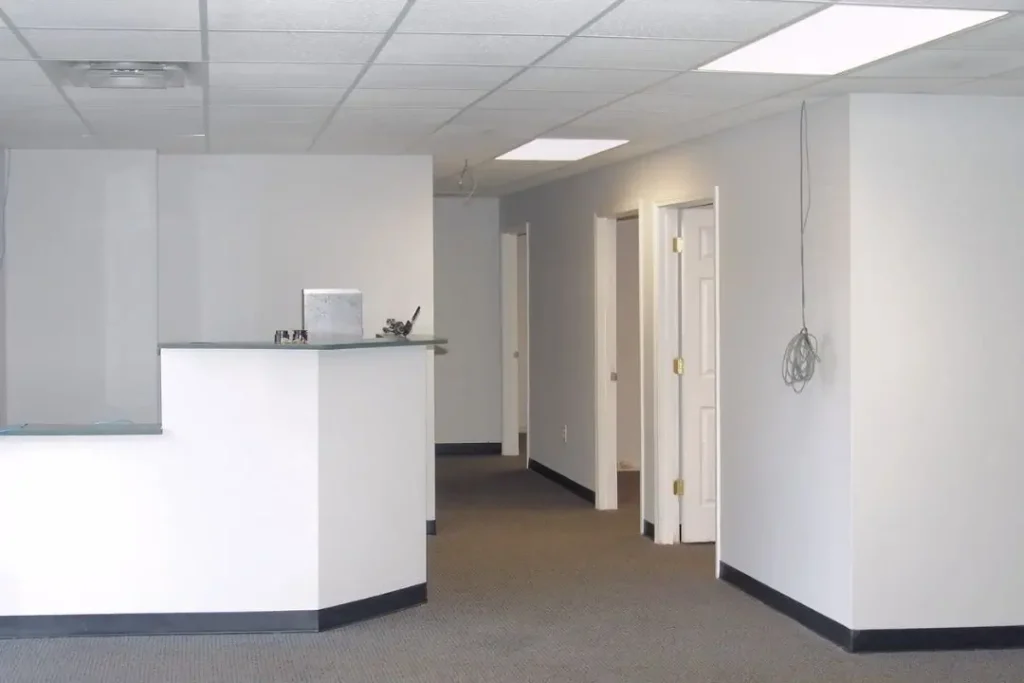
Taking over a raw shell tenancy is more expensive than inheriting a space that already has services in place. A shell space may have no ceilings, no partition walls, no electrical fit-off, and no plumbing connected, all of which add cost and time.
Always review your lease carefully before budgeting. Some landlords offer a fitout contribution or rent-free period to offset this, which can make a shell tenancy worthwhile. If you are unsure about your obligations as a commercial tenant, Queensland’s commercial leasing guidelines are a helpful starting point.
Trades Involved
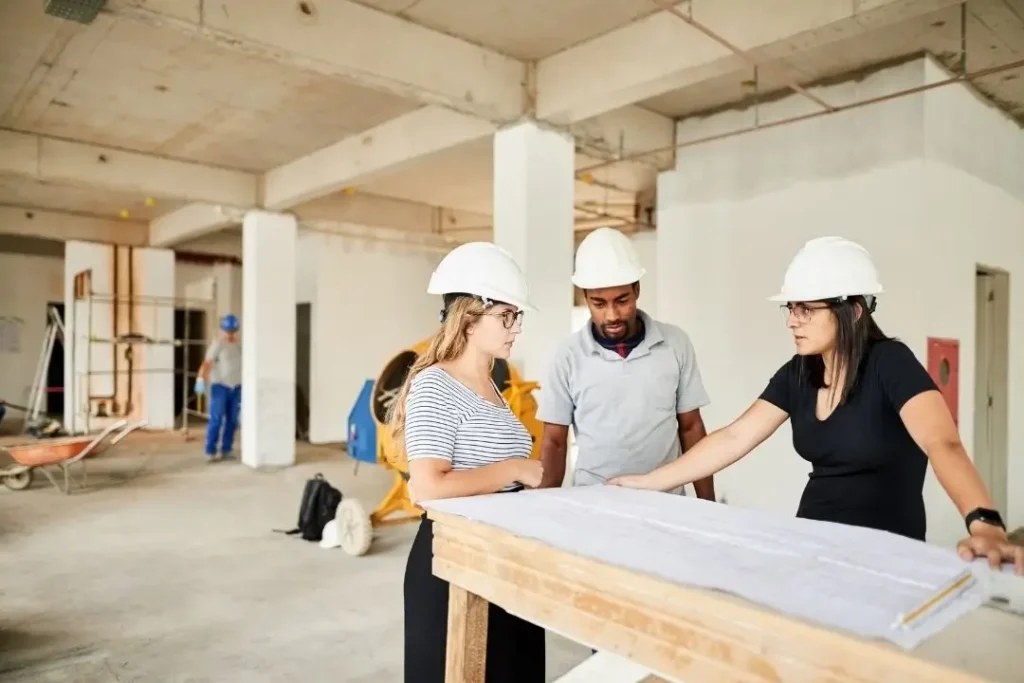
A fitout is rarely just carpentry and joinery. Depending on your fitout type, you may need licensed electricians, plumbers, air conditioning installers, tilers, painters, and glaziers. Each trade adds cost, and coordinating them correctly takes experience.
Using a shopfitter who manages all trades under one contract is generally more efficient than engaging each trade separately. It reduces the risk of delays, scope gaps, and cost blowouts.
Joinery and Fixture Specification
Custom joinery is one of the biggest variables in any fitout budget. Off-the-shelf shelving and counters cost far less than custom-built cabinetry, but they may not suit your brand or floor plan.
Specifying your fixtures and finishes early in the planning process gives your shopfitter the information they need to price accurately. Changing finishes or layouts mid-construction is one of the most common causes of budget overruns.
Building and Council Approvals
Most commercial fitouts require a building approval before work begins. Depending on the scope, you may also need a development approval, particularly if you are changing the use of the tenancy or making structural changes.
Approval costs and timeframes vary, but it is not unusual for this process to take several weeks. Working with an experienced shopfitter on the Gold Coast often means they can guide you through the local approval process, flag potential issues early, and keep your project moving without unnecessary delays.
Services and Mechanical Work
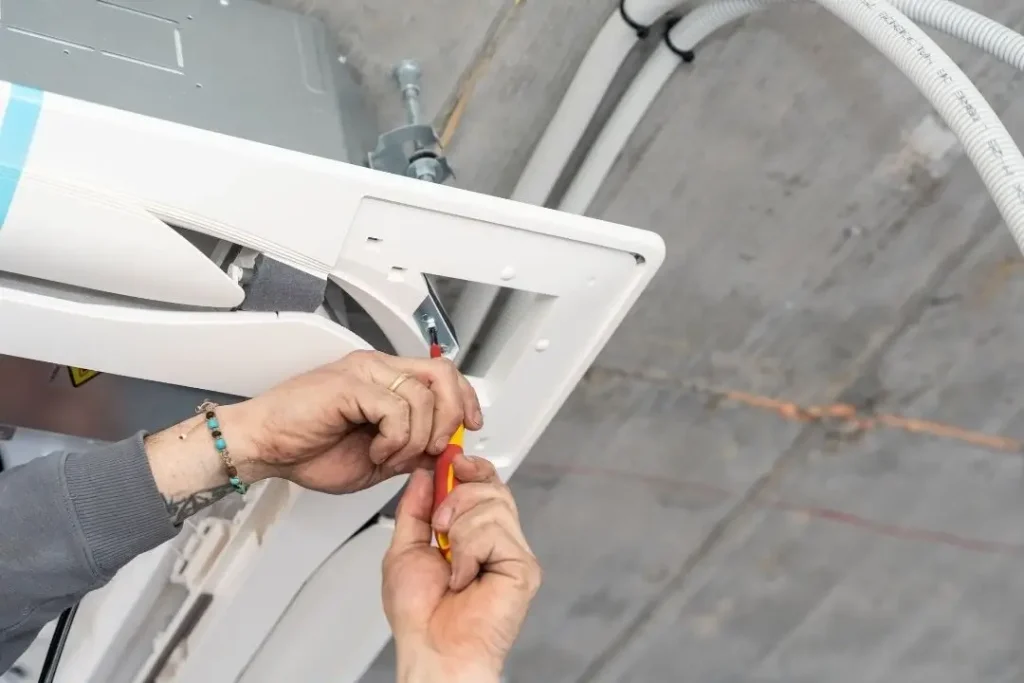
HVAC (heating, ventilation, and air conditioning) is a significant cost in most commercial fitouts, especially for food businesses where kitchen exhaust and make-up air systems are required. Fire services, data cabling, and security systems are often overlooked in early budget estimates.
Get these scoped early. They are not optional, and adding them late in the project creates both cost and scheduling problems.
What Is Not Included in a Fitout Quote?
A fitout quote typically covers construction and installation work, but several costs sit outside that scope. Loose furniture, equipment, and appliances are almost never included. For hospitality businesses, that means commercial kitchen equipment and refrigeration are separate. For retail, shelving, display units, and point-of-sale systems are typically your responsibility. Signage, data cabling, security systems, and CCTV are also frequently left out of standard quotes unless specifically agreed upon.
On the leasing side, your budget also needs to cover costs that have nothing to do with construction. Your lease bond, legal fees for lease review, and any landlord-required make-good costs from a previous tenancy are all real expenses that belong in your project budget. Confirm exactly what is and is not in scope before signing anything.
How to Get an Accurate Fitout Price
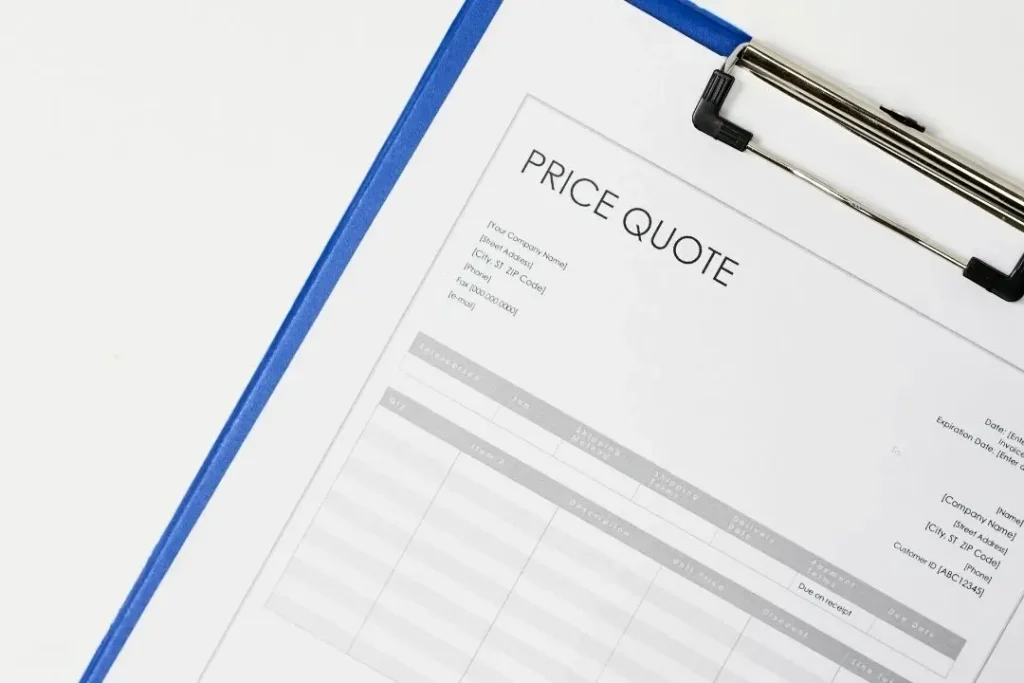
The most reliable way to get an accurate price is to engage a qualified shopfitter early with a clear brief. The more information you can provide about your space, your intended use, and your preferred finishes, the more accurate the quote will be.
Before work begins, always verify that your shopfitter holds the appropriate Queensland Building and Construction Commission licence. This is not a formality; it is a basic protection for your investment.
If you are comparing quotes, make sure they are comparing the same scope. A lower quote that excludes mechanical work, approvals, or certain trades is not a fair comparison to one that includes everything.
Planning Your Fitout Budget: Key Considerations
Build a contingency into your budget from the start. Ten to fifteen percent above your quoted price is a reasonable buffer, particularly for older buildings or tenancies that have not been surveyed thoroughly.
Timeline matters too. A fitout that takes longer than expected has real costs: delayed trading, extended rent on an unoccupied space, and staff holding costs. Work with your shopfitter to establish a realistic programme and hold to it.
If you want to understand what is typically involved at each level of finish, our commercial fitout services break down what to expect across different project types and budgets.
Summary
Shop fitout costs in Australia range widely depending on your fitout type, tenancy condition, finishes, and trades required. Ballpark figures give you a starting point, but a detailed quote based on your specific brief is the only reliable way to budget accurately.
Getting the right shopfitter involved early, understanding your lease obligations, and allowing for approvals and contingency will put you in a much stronger position to deliver your fitout on time and on budget.
Ready to Get a Fitout Price?
If you are planning a shop fitout on the Gold Coast and want a realistic quote based on your actual space and requirements, get in touch with our team. We work with retail, hospitality, medical, and office clients across the Gold Coast and can provide clear, itemised pricing.
Call us on (07) 5651 0699 or get in touch to begin the process with a free onsite quote.